No products in the cart.
-15%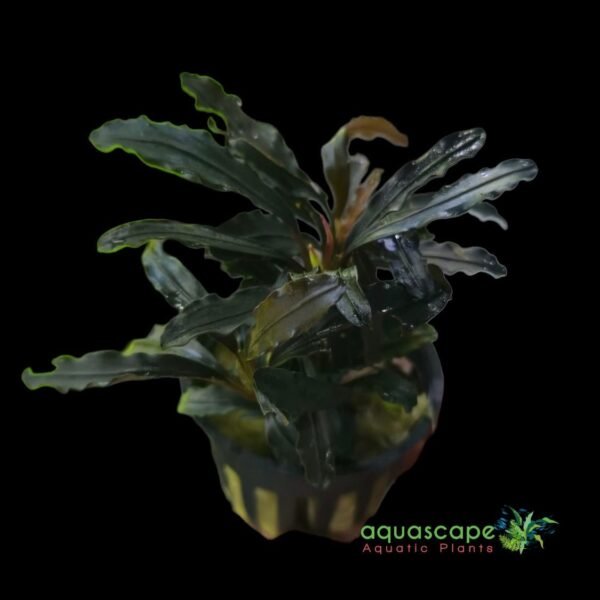
Live Plants & Neutrients, Plants, Potted

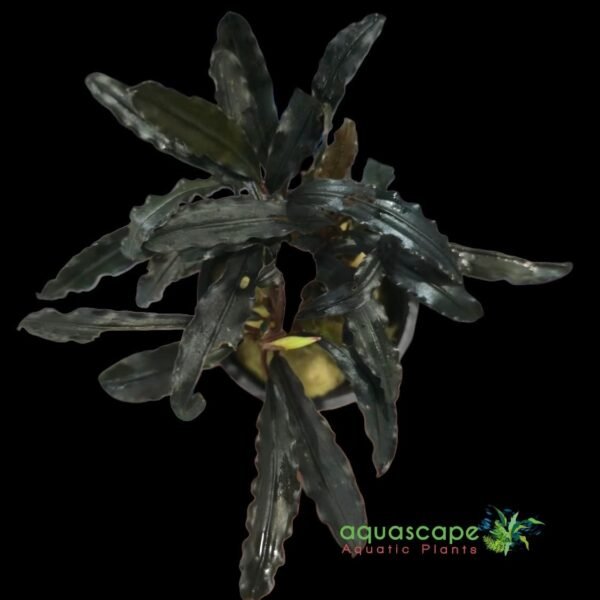
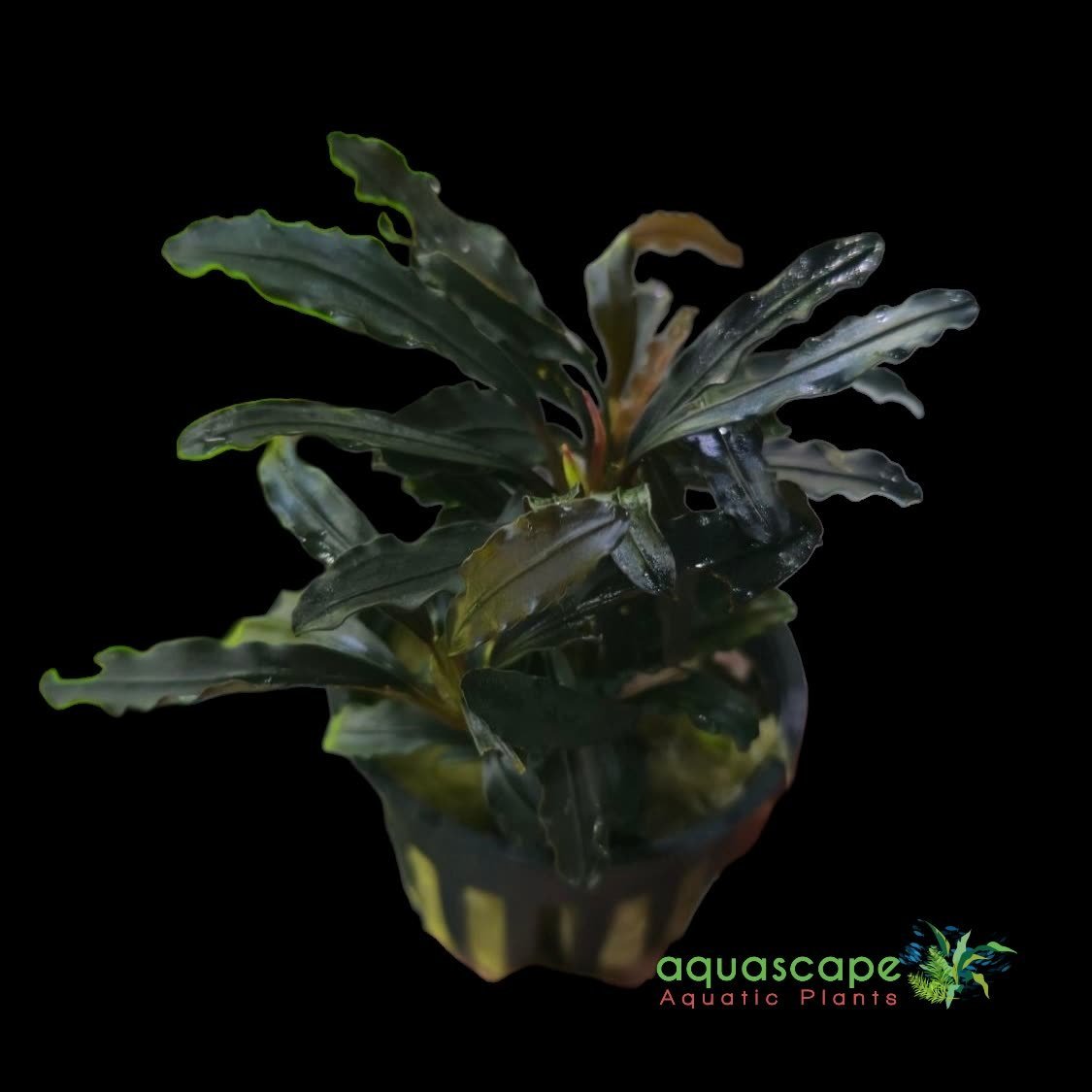
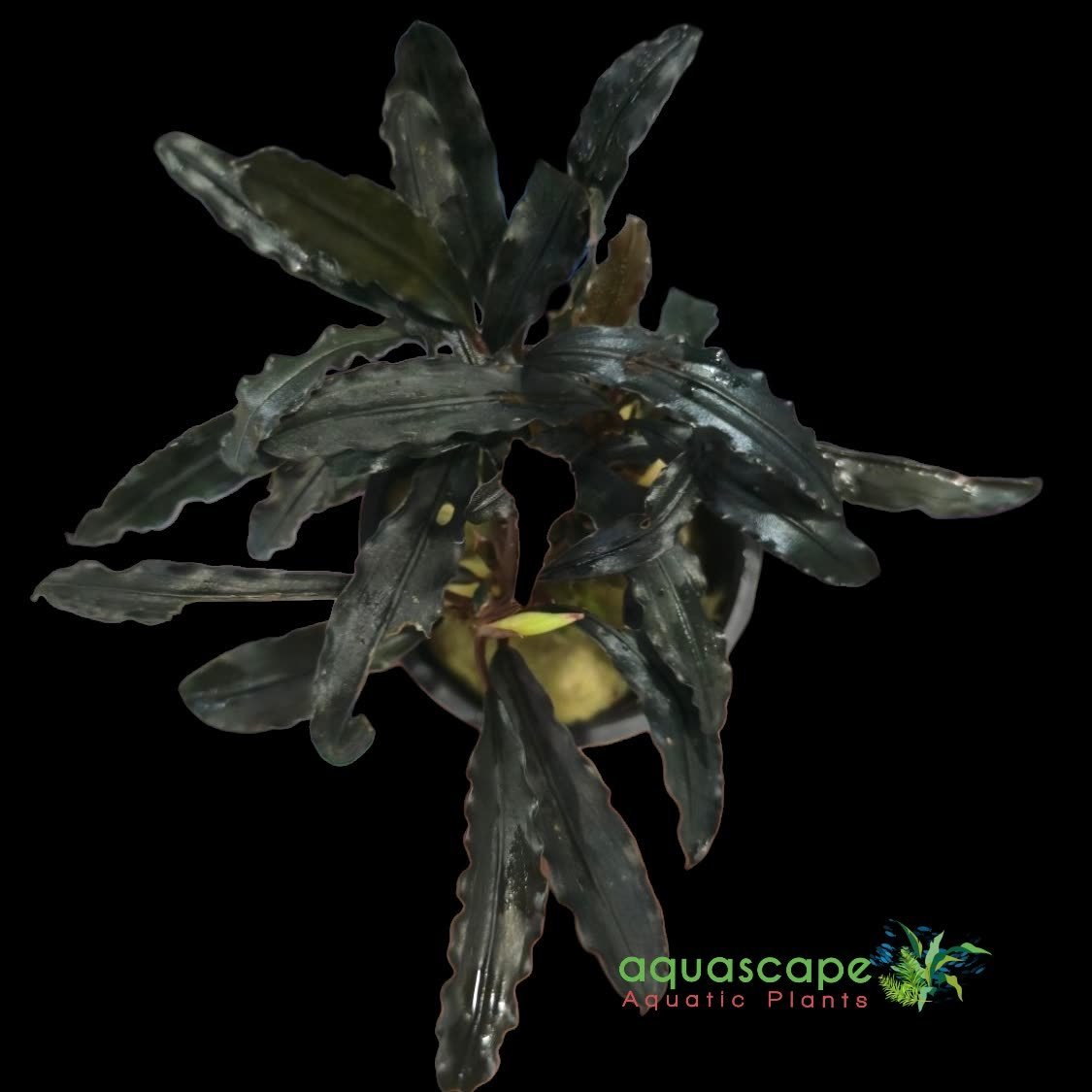
Aquascapeplant Bucephalandra Kedagang
Bucephalandra Kedagang is a popular aquatic plant native to Borneo, specifically the Kedagang River region. It belongs to the Araceae family and is highly prized in the aquarium hobby for its striking appearance.
-Leaves: Small to medium-sized, elongated, and slightly wavy with a deep green to bluish-green hue. Some variants may exhibit a metallic or iridescent sheen under bright light.
– Growth: Slow-growing, forming dense clusters over time.
– Size: Typically stays compact, with leaves reaching 2-5 cm in length.
– Roots: Rhizomatous, attaching well to rocks and driftwood.
Care Tips for Bucephalandra Kedagang
1. Lighting
-Moderate to low light is ideal. Too much light can cause algae growth on the leaves.
– LED or T5 lighting works well.
2. Water Parameters
– Temperature: 22–28°C (72–82°F)
– pH: 6.0–7.5 (slightly acidic to neutral)
– Hardness:Soft to moderately hard water (GH 4–10)
3. Substrate & Placement
– Attach to hardscape (rocks, driftwood) using super glue gel or fishing line.
– Can also be planted in substrate, but ensure the rhizome is not buried to prevent rot.
4. CO2 & Fertilization
– CO2 is beneficial but not required—it enhances growth and coloration.
– Use a balanced liquid fertilizer like Easylife Profito (containing micronutrients like iron) to promote healthy leaves.
5. Flow & Water Quality
– Prefers gentle to moderate water flow.
– Regular water changes (20–30% weekly) help prevent algae and maintain water quality.
6. Propagation
– Cut the rhizome into sections (each with a few leaves) and replant.
– New shoots will develop over time.
7. Common Issues
– Algae: Keep lighting moderate and maintain good water flow.
– Melting: May occur when first introduced but should recover with stable conditions.
Final Thoughts
Bucephalandra Kedagang is a stunning, low-maintenance plant perfect for nano tanks, aquascapes, and shrimp tanks. With proper care, it thrives and adds a beautiful natural touch to any aquarium.
د.إ59.50 د.إ70.00
How to Grow Bucephalandra Kedagang – Complete Guide
Bucephalandra Kedagang is a beautiful, slow-growing aquatic plant that thrives with proper care. Here’s a step-by-step guide to growing it successfully in your aquarium or paludarium.
1. Choosing the Right Setup
Aquarium or Paludarium: Can be grown fully submerged or partially emersed (ideal for high-humidity setups).
Tank Size: Suitable for nano tanks (5+ gallons) and larger aquariums.
Substrate: Not required since it’s an epiphyte, but can be attached to:
Lava rock (porous, helps root attachment)
Driftwood (natural look)
Aquarium decor (slate, ceramic, etc.)
2. Water Parameters for Optimal Growth
| Parameter | Ideal Range |
|---|---|
| Temperature | 72–82°F (22–28°C) |
| pH | 6.0–7.5 (slightly acidic preferred) |
| Hardness (GH) | 4–12 dGH (soft to moderately hard) |
| Water Flow | Low to moderate (mimics streams) |
⚠️ Avoid sudden parameter changes to prevent melting.
3. Lighting Requirements
Low to Moderate light is best (too much light can cause algae).
LED aquarium lights (adjustable brightness recommended).
Photoperiod: 6–8 hours daily (extended light can promote algae).
💡 Tip: Under strong light, Bucephalandra Kedagang may develop blue or metallic sheens.
4. CO₂ & Fertilization (Optional but Beneficial)
CO₂ Injection: Not required, but speeds up growth and enhances color.
Liquid Fertilizers:
Potassium (K) helps prevent holes in leaves.
Micronutrients (Fe, Mn, etc.) keep leaves vibrant.
Dose 1–2 times per week in low-tech tanks.
5. Planting & Attachment
Since Bucephalandra is an epiphyte, do not bury the rhizome (horizontal stem). Instead:
Attach to hardscape (lava rock, wood) using:
Super glue (cyanoacrylate gel) – Safe for aquariums.
Cotton thread or fishing line – Temporary until roots grip.
Place in shaded areas if algae is a concern.
🌿 New roots will grow and anchor the plant naturally over time.
6. Maintenance & Troubleshooting
| Issue | Solution |
|---|---|
| Melting leaves | Normal when adapting; trim and wait for new growth. |
| Algae on leaves | Reduce light, add algae eaters (shrimp, snails). |
| Slow growth | Check nutrients (potassium deficiency?) or add CO₂. |
| Black spots/rot | Improve water flow & cleanliness. |
✂️ Pruning: Trim old leaves to encourage new shoots.
7. Propagation
Rhizome Division:
Use a sharp blade to cut the rhizome into sections (each with 2–3 leaves).
Attach new pieces to rocks or wood.
Natural Growth: Over time, side shoots will develop into new plants.
8. Best Tank Mates
✅ Shrimp (Neocaridina, Caridina) – Love grazing on biofilm.
✅ Small fish (tetras, rasboras) – Won’t damage leaves.
✅ Snails (Nerite, Mystery) – Help clean algae.
❌ Avoid large cichlids or goldfish (may uproot or eat Bucephalandra).
Final Tips for Success
✔ Stable water conditions are key—avoid drastic changes.
✔ Patience is needed—Bucephalandra grows slowly.
✔ Experiment with placement—some varieties color up differently under varying light.
With proper care, your Bucephalandra Kedagang will thrive and add a stunning, natural touch to your aquascape! 🌿💧
Brand
aquascape plants
Related products
- Sold out!Plants, Tissue Culture Cup
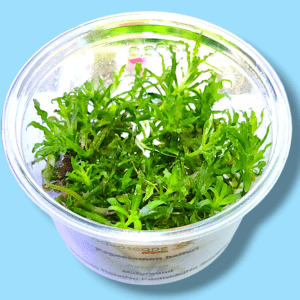
Aquascapeplants Pogostemon helferi
Size: Cup
Pogostemon helferi: The Star of Your Aquascape
Description: Introducing Pogostemon helferi, also known as Downoi, an exquisite aquatic plant celebrated for its unique star-shaped leaves and compact growth. This plant is a fantastic choice for creating a dynamic and visually appealing underwater garden.
Key Features:
- Distinctive Appearance: Known for its curled, bright green leaves that form a rosette shape, adding a striking visual element to any tank.
- Ideal for Aquascaping: Perfect for foreground planting, providing a textured contrast to other plants and enhancing the overall aesthetics of your aquarium.
- Hardy and Versatile: Adapts well to various water conditions (pH 6.0-7.5, temperature 20-28°C), making it suitable for both beginners and experienced aquarists.
- Easy Propagation: Spreads through runners, allowing you to easily propagate and create a lush carpet effect in your tank.
- Available in the UAE: Readily accessible for aquarium enthusiasts in the United Arab Emirates, ensuring you can effortlessly add this stunning plant to your collection.
Common names Downoi Synonyms Anuragia helferi (Hook. f.) Raizada, Dysophylla helferi Hook. f., Eusteralis helferi (Hook. f.) Panigrahi Complete botanical name Pogostémon hélferi (Hook. f.) Press Family Lamiaceae Genus Pogostemon Difficulty medium Usage Epiphyte (growing on hardscape), Midground, Nano tanks, Foreground, group Growth medium SKU: n/a - Live Plants & Neutrients, Plants, Potted
Hydrocotyle Tripartita in Pot
Size: Pot
Hydrocotyle tripartita
- Forms creeping or overhanging shoots
- Pretty leaf form
- Fresh light green colour
- Can be used in many different ways
- One of the most popular plants in aquascaping
Genus Hydrocotyle Difficulty easy Usage Midground, Nano tanks, Foreground, group, Foreground, ground cover Growth very fast pH value 5 – 7 Temperature tolerance 10 – 30°C Carbonate hardness 0 – 14°dKH General hardness 0 – 30°dGH Propagation Runners, Cuttings Can grow emersed? yes BUY MORE SAVE MORE!
Buy 5 or more for additional discount!
Buy 10 or more to get super discount!
SKU: n/a - Aquascape Essentials, Plant Fertilizers, Plants
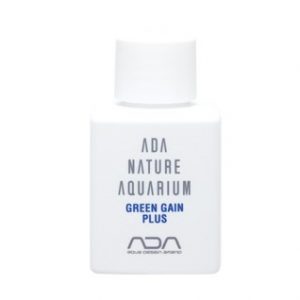
ADA Green Gain Plus 50ml
Size:50ml
GREEN GAIN PLUS
GREEN GAIN PLUS is a plant supplement, primarily composed of phytohormones derived from seaweed, trace elements and amino acids. Its advanced formula also contains boron, which encourages the growth of new buds. GREEN GAIN PLUS boosts plant resistance to disease by easing stress from pruning or environmental degradation, and enhances the growth of new young buds.
SKU: AD103-102 - Sold out!Plants
Marimo Moss Ball
- Marimo moss ball is also known as Aegagropila Linnaei
- Used in many iwagumi layouts or to even create carpet
- One of the easiest plant to maintain
- Ideal for beginners
- Velvety, Lush green balls
- The plant is very slow growing
- Can be divided into several smaller pieces
- Recommendable for shrimp tanks
SKU: n/a - Marimo moss ball is also known as Aegagropila Linnaei