No products in the cart.
Plants
Showing 121–144 of 203 results
- Live Plants & Neutrients, Plants, Potted
Hydrocotyle Tripartita in Pot
Size: Pot
Hydrocotyle tripartita
- Forms creeping or overhanging shoots
- Pretty leaf form
- Fresh light green colour
- Can be used in many different ways
- One of the most popular plants in aquascaping
Genus Hydrocotyle Difficulty easy Usage Midground, Nano tanks, Foreground, group, Foreground, ground cover Growth very fast pH value 5 – 7 Temperature tolerance 10 – 30°C Carbonate hardness 0 – 14°dKH General hardness 0 – 30°dGH Propagation Runners, Cuttings Can grow emersed? yes BUY MORE SAVE MORE!
Buy 5 or more for additional discount!
Buy 10 or more to get super discount!
SKU: n/a - Green Wall, Moss Frames & Art, Plants, Plants for terrarium, Potted, Terrarium Accessories, Tissue Culture Cup
Hydroponic Slotted Mesh Net Cups, Black
-15% Green Wall, Moss Frames & Art, Plants, Plants for terrarium, Potted, Terrarium Accessories, Tissue Culture Cup
Hydroponic Slotted Mesh Net Cups, Black
unit/pcs
They are made of quality plastic that offer durable use without crumbling. Wide lip on the top of containers, easy to grab, lift and transport.These plastic net cups promote a more efficient plant growth through aeration.
Slotted design let the roots grow their own way, right down through the pot and out of the sides, allow for bigger, healthier roots.
Promotes a more efficient plant growth through aeration.
Smaller diameter at the bottom for easier removal of netpot with attached roots.
There are many holes in the bottom, which produce healthy roots with even drainage.
It is suitable for seeding, cutting and seedling nursery.SKU: n/a - Sold out!Live Plants & Neutrients, Plants, Potted
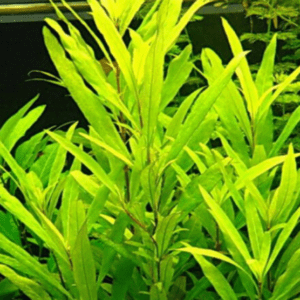
Hygrophila Angustifolia
Hygrophila angustifolia (Willow Hygro or Narrowleaf Hygrophila) is a popular aquatic plant in the aquarium hobby due to its attractive appearance and relatively easy care. Here are some tips and care guidelines to help you grow and maintain this plant successfully:
1. Lighting Requirements
- Moderate to High Light: Hygrophila angustifolia thrives under moderate to high lighting conditions.
- Light Duration: Provide 8-10 hours of light per day to promote healthy growth.
- Low Light Adaptation: While it can survive in low light, growth will be slower, and the plant may become leggy or lose its vibrant color.
2. Water Parameters
- Temperature: Keep the water temperature between 22-28°C (72-82°F).
- pH Level: Prefers slightly acidic to neutral water with a pH of 6.0-7.5.
- Water Hardness: Can tolerate a wide range of water hardness but thrives in soft to moderately hard water (2-15 dGH).
3. Substrate and Fertilization
- Nutrient-Rich Substrate: Use a nutrient-rich substrate to support root growth. If using inert substrates like sand or gravel, supplement with root tabs.
- Liquid Fertilizers: Regularly dose a comprehensive liquid fertilizer to provide essential nutrients like nitrogen, phosphorus, potassium, and micronutrients (iron, magnesium, etc.).
- CO2 Supplementation: While not mandatory, CO2 injection can significantly enhance growth and overall health, especially in high-light setups.
SKU: n/a - Live Plants & Neutrients, Plants, Tissue Culture Cup
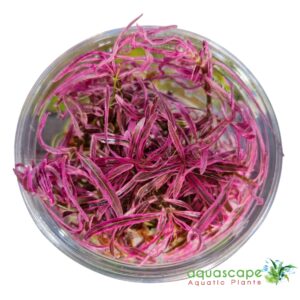
Hygrophila Pinnatifida “Roseus” TC
🌸 Description
Hygrophila pinnatifida “Roseus” is a rare and highly sought‑after variant of the classic H. pinnatifida, prized for its soft rose‑pink undertones, deeply lobed leaves, and compact, ornamental growth habit. Unlike the standard form, “Roseus” displays:– Blushed pink to copper tones under strong lighting
– More delicate, refined leaf structure
– A slower, more controlled growth rate, making it ideal for precision layouts
– A creeping or epiphytic growth style, allowing attachment to wood, stone, or substrateThis plant adds a sophisticated, botanical texture to aquascapes—perfect for nature-style, diorama, and high-end display tanks.
—
💧 Care Requirements
🔆 Lighting
– Medium to high light is essential to bring out the signature rose coloration.
– Under low light, leaves turn more olive and growth becomes leggy.🧪 CO₂ & Water Parameters
– CO₂ injection: Strongly recommended for compact growth and vibrant color.
– pH: 6.0–7.2
– GH: 4–10
– KH: 1–5
– Temperature: 22–28°CThis variant responds beautifully to stable, soft to medium water.
🌱 Nutrients
– Iron-rich fertilization enhances red/pink tones.
– Requires consistent micro and macro dosing, especially nitrate and phosphate.
– Root tabs help if planted in substrate, but it also thrives as an epiphyte.🪨 Placement & Growth Style
– Can be attached to driftwood or stone using glue or thread.
– When grown epiphytically, it forms horizontal, creeping runners with upright fronds.
– In substrate, it grows more vertically, forming a small bush.Ideal placement:
– Midground feature plant
– Accent on hardscape
– Transition zones between shadows and highlights✂️ Trimming & Propagation
– Trim tops to encourage side shoots and denser growth.
– Replant cuttings or attach them to new surfaces.
– Avoid aggressive trimming; “Roseus” grows slower than the standard form.—
🌟 Why Aquascapers Love It
– Adds premium coloration without overwhelming the layout
– Offers unique texture compared to common stem plants
– Perfect for high-end, detail-focused aquascapes
– Works beautifully with mosses, Bucephalandra, and fine-leaved stemsSKU: n/a - Live Plants & Neutrients, Plants, Plants for terrarium, Potted
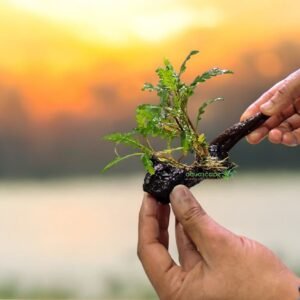
Hygrophila pinnatifida on Driftwood
Size: 10cm
Hygrophila pinnatifida on Driftwood
Transform your aquascape with the exotic Hygrophila pinnatifida on Driftwood, a stunning centerpiece plant that combines natural beauty with effortless functionality. Known for its unique, fern‑like leaves and rich green to reddish hues, Hygrophila pinnatifida thrives when attached to driftwood, creating a striking contrast and adding depth to any aquarium layout.
✨ Key Features
– Rare Aquatic Plant – Highly sought after by aquascaping enthusiasts for its distinctive pinnate leaf structure.
– Pre‑attached to Driftwood – Ready to place directly into your aquarium, saving time and ensuring secure growth.
– Low to Medium Light Requirement – Adaptable to a variety of setups, from beginner tanks to advanced aquascapes.
– Natural Aquascaping Element – Driftwood provides both aesthetic appeal and a stable surface for root attachment.
– Versatile Placement – Ideal for midground or background use, enhancing depth and visual flow in your aquascape.🌱 Care & Growth
Hygrophila pinnatifida is easy to maintain, requiring moderate CO₂ and nutrient supplementation for optimal coloration and growth. Its creeping nature allows it to spread gracefully across driftwood, rocks, or substrate, making it perfect for creating lush, layered aquascapes.SKU: n/a - Live Plants & Neutrients, Plants, Tissue Culture Cup
Hygrophila pinnatifida UK
Hygrophila pinnatifida UK – Description & Care Tips
Description:
Hygrophila pinnatifida is a unique and attractive aquatic plant originating from India. It’s known for its distinctive, fern-like leaves with a deep green to reddish-brown colour on top and a striking purple underside. The plant grows in a creeping or upright manner, making it ideal for midground or background placement in aquariums. When grown emersed (above water), it develops small purple flowers.Care Tips for the UK:
1. Lighting:
– Medium to high light is best to maintain its vibrant colours and compact growth.
– In low light, the plant may grow taller and lose its reddish hues.2. Water Parameters:
– Temperature: 20–28°C (ideal for most UK home aquariums).
– pH: 6.0–7.5 (slightly acidic to neutral).
– Hardness: Soft to moderately hard water (2–15 dGH).3. CO2 & Fertilisation:
– CO2: Not strictly necessary but enhances growth and colouration.
– Fertiliser: Benefits from a nutrient-rich substrate and liquid fertilisers (especially iron for red hues).4. Substrate & Planting:
– Can be planted in substrate or attached to hardscape (rocks, driftwood) using thread or glue.
– Roots will anchor naturally over time.5. Pruning & Maintenance:
– Trim regularly to encourage bushier growth.
– Side shoots can be replanted for propagation.6. Growth Rate & Placement:
– Moderate growth rate.
– Works well as a midground accent or background plant in larger tanks.Common Issues in UK Aquariums:
– Algae: Ensure good water flow and avoid excess nutrients.
– Melting: May occur when first introduced but usually recovers with stable conditions.This plant is a great choice for aquarists looking for a striking, low-maintenance stem plant with unique textures and colours! 🌿
SKU: n/a - Sold out!Live Plants & Neutrients, Plants, Potted
Hygrophila polysperma ‘Rosanervig’
Hygrophila polysperma ‘Rosanervig’
- Light leaf veins
- Light green, yellowish to red hues
- Easy to cultivate
Difficulty very easy Usage Midground Aquascaping very colourful plant for accents Growth very fast pH value 5 – 8 Temperature tolerance 4 – 35°C Carbonate hardness 2 – 21°dKH General hardness 0 – 30°dGH Propagation Cuttings Can grow emersed? yes BUY MORE SAVE MORE!
Buy 5 or more for additional discount!
Buy 10 or more to get super discount!
SKU: n/a - Live Plants & Neutrients, Plants, Tissue Culture Cup
Hygrophila sp. Chai Cup
Hygrophila sp. Chai, also known as Chai Hygrophila, is a rare and captivating aquatic plant.
Overview
Common Name: Chai Hygrophila
Scientific Name: Hygrophila sp. Chai
Family: Acanthaceae
Origin: Mutation of Hygrophila araguaia, discovered in Singapore
Appearance
Leaves: Distinctive pink color with occasional white streaks, resembling the leaves of Hygrophila araguaia
Stem: Thin and delicate, grows both submerged and emersed
Height: Typically grows up to 10 cm (4 inches)
Growth Rate: Slow, requiring stable and optimal conditions
Care Requirements
Lighting: High intensity to maintain its vibrant color
CO2: Strong CO2 injection is recommended for optimal growth
Water Parameters:
- pH: 6.0 to 7.5
- Hardness: Soft to moderately hard water
- Temperature: 22 to 28 °C (72 to 82 °F)
SKU: n/a - Live Plants & Neutrients, Plants, Potted
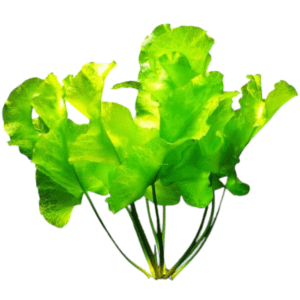
Japanese Spatterdock Nuphar japonica
Nuphar japonica, commonly known as Spatterdock or Japanese Spatterdock, is a hardy aquatic plant that is well-suited for ponds and large aquariums. It is known for its lily-like leaves and can add a natural, tropical look to your aquatic environment. Here’s a detailed care guide to help you grow and maintain this plant:
1. Overview
- Scientific Name: Nuphar japonica
- Common Name: Spatterdock, Japanese Spatterdock
- Origin: Japan, Korea, and other parts of East Asia
- Difficulty Level: Easy to Moderate
- Growth Rate: Moderate
- Light Requirement: Medium to High
- CO2 Requirement: Not required
2. Tank or Pond Requirements
- Tank Size: Best suited for large aquariums (50+ gallons) or outdoor ponds.
- Water Temperature: 59–82°F (15–28°C). It can tolerate cooler temperatures, making it suitable for outdoor ponds in temperate climates.
- pH Level: 6.0–7.5 (slightly acidic to neutral).
- Water Hardness: Soft to moderately hard (2–15 dGH).
SKU: n/a - Live Plants & Neutrients, Plants, Potted
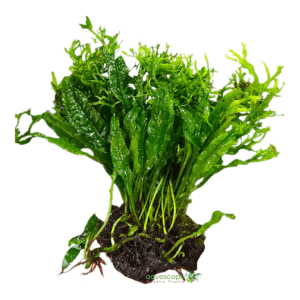
Java Fern ‘Windelov’ on Mesh Pad
Java Fern ‘Windelov’ on Mesh Pad (Microsorum pteropus ‘Windelov’)
A stunning aquatic fern with delicate, lace-like leaf tips, pre-attached to a mesh pad for easy placement in your aquarium. This low-maintenance epiphyte thrives without CO₂ or high light, making it perfect for beginners and aquascapers alike.
Why Choose This Plant?
✅ Easy Setup – Ready to place in your tank (no glue or tying needed).
✅ Epiphytic Growth – Should not be buried; roots will anchor naturally over time.
✅ Unique Texture – Finely branched leaves add movement and depth.
✅ Versatile Use – Great as a midground/background plant or as a “carpet” when left on the mesh.
✅ Fish & Shrimp Friendly – Provides hiding spots for fry and invertebrates.Care Guide
– Light: Low to moderate (avoid direct intense light).
– Water: pH 6.0–7.5 | Temp 68–82°F (20–28°C).
– Fertilization: Occasional liquid fertilizers enhance growth.
– Maintenance: Trim old leaves; new plantlets may form on leaves.Note: Do not bury the rhizome—simply place the mesh pad on substrate or attach to hardscape.
Ideal for: Nano tanks, shrimp tanks, low-tech setups, and natural aquascapes. 🌿💧
(A hardy, slow-growing fern that adds elegance to any aquarium!)
SKU: n/a - Live Plants & Neutrients, Plants, Potted
Java Fern Mother Plant XXL
Java Fern
- The “classic” large-leaved Java Fern
- Time-tested robust epiphyte
- Can be used in many different ways
Difficulty very easy Usage Epiphyte (growing on hardscape), Background, Midground Growth slow pH value 5 – 8 Temperature tolerance 4 – 30°C To learn more about this plant visit our special article on Java ferns
 SKU: n/a
 - Sold out!Live Plants & Neutrients, Plants, Potted
Java Fern Narrow Leaf — Grown on Pad
🌿 Java Fern Narrow Leaf — Grown on Pad (Microsorum pteropus ‘Narrow Leaf’)
A clean, polished product description and care guide you can use directly in your shop.—
✨ Description
The Narrow Leaf Java Fern grown on a planting pad is a ready‑to‑use aquascaping piece designed for effortless placement and instant visual impact. Microsorum pteropus ‘Narrow Leaf’ is loved for its slender, flowing leaves, hardy nature, and ability to thrive in a wide range of aquarium conditions.Mounted on a natural pad (such as coconut fiber, mesh, or lava material), this plant:
– Establishes quickly without needing to be tied or glued
– Provides immediate greenery for driftwood, rocks, or substrate surfaces
– Offers a clean, professional look ideal for beginners and advanced aquascapers
– Grows slowly and maintains a graceful, upright form
– Safe for shrimp, snails, and all freshwater fishThis format is perfect for aquascapers who want zero‑hassle installation and a plant that stays healthy even in low‑tech tanks.
—
💧 Care Requirements
💡 Light
– Low to medium light is ideal.
– Too much light may cause algae on the leaves.🌿 CO₂ & Nutrients
– CO₂ is not required, making it perfect for low‑tech setups.
– Benefits from occasional liquid fertilization, especially potassium.
– Avoid burying the rhizome—on a pad, it stays naturally exposed.🌡️ Water Parameters
– Temperature: 20–28°C
– pH: 6.0–7.5
– Soft to moderately hard water
– Very tolerant of varying conditions🌱 Placement
– Place the pad directly on hardscape or substrate.
– The rhizome will slowly attach itself to nearby surfaces.
– Works beautifully as a midground or background accent in nano tanks.✂️ Maintenance
– Trim older or damaged leaves at the base of the rhizome.
– Growth is slow and controlled, making it easy to manage.
– Resistant to herbivorous fish—most won’t eat it.—
🐠 Ideal For
– Low‑tech aquariums
– Shrimp tanks
– Nature‑style and jungle‑style aquascapes
– Hardscape‑heavy layouts needing soft, flowing greenery
– Beginners who want a hardy, forgiving plant—
SKU: n/a - Plants, Potted
Java Fern Narrow on Drift Wood
Java Fern (Microsorum pteropus): Your Perfect Aquatic Plant
Description: Enhance your aquarium with the Java Fern, a versatile and hardy aquatic plant known for its lush, green foliage and ease of care. Native to Southeast Asia, this popular aquarium plant is perfect for both beginners and experienced aquarists.
Key Features:
- Low Maintenance: Java Fern thrives in various water conditions and requires minimal care, making it ideal for any aquarist.
- Versatile Placement: Easily attach to driftwood, rocks, or plant it in substrate for a natural and aesthetically pleasing look.
- Hardy and Resilient: Tolerates a wide range of water parameters (pH 6.0-7.5, temperature 20-28°C) and low light conditions.
- Biological Filtration: Improves water quality by absorbing nitrates and providing a natural habitat for beneficial bacteria.
- Available in the UAE: This beautiful aquatic plant is available for purchase in the United Arab Emirates, making it accessible for local aquarium enthusiasts.
SKU: n/a - Sold out!Live Plants & Neutrients, Plants, Potted
Java Fern on Coco Shell with Java Moss
🌿 Java Fern on Coco Shell with Java Moss – A Rustic Gem for Aquascapes
Elevate your aquascaping design with this beautifully crafted botanical arrangement featuring:
– Java Fern (Microsorum pteropus)
– A timeless aquatic favorite known for its hardy nature and elegant, arching leaves
– Gently affixed to a natural coco shell base, offering both stability and a unique aesthetic
– Thrives in low to moderate light with minimal maintenance
– Java Moss (Taxiphyllum barbieri)
– Soft, velvety moss that envelops the shell, creating lush texture and visual depth
– Serves as excellent cover for shrimp and fry, and contributes to a healthy microhabitat
– Enhances biological filtration and softens hardscape edges
– Coco Shell Base
– 100% natural and sustainably sourced coconut shell
– Adds a rustic, earthy contrast to vibrant green foliage
– Ideal for anchoring in substrate or floating as a mid-water accent
✨ This combination offers a striking balance of structure and softness, making it perfect for nano tanks, shrimp setups, or nature-inspired terrariums. Whether you’re designing a lush forest floor effect or an organic focal piece, this planted accessory brings harmony to aquatic environments.SKU: n/a - Sold out!Live Plants & Neutrients, Plants, Potted
Java fern on Driftwood
🌿 Java Fern on Driftwood
A clear, practical guide tailored for aquascapers who care about both plant health and aesthetics.—
🌱 Description
Java Fern (Microsorum pteropus) is a hardy, slow‑growing aquatic plant native to Southeast Asia. It’s a classic choice for driftwood‑based aquascapes because:– It naturally grows epiphytically—attaching to wood, rocks, and hardscape rather than rooting in substrate.
– Its leaves are tough, textured, and visually striking, giving a mature, natural look.
– It tolerates a wide range of water conditions, making it ideal for beginners and advanced scapers.Common Varieties
| Variety | Features |
|——–|———-|
| Regular Java Fern | Broad green leaves, classic look |
| Narrow Leaf | Slim, elegant leaves; great for mid‑ground |
| Windelov (Lace) | Frilly leaf tips; decorative |
| Trident | Multi‑split leaves; premium aesthetic |
| Mini | Compact growth; perfect for nano driftwood |—
🪵 Why It Works Perfectly on Driftwood
Java Fern attaches using rhizomes, not roots. The rhizome grips the wood over time, creating a natural, aged look. Driftwood also provides:– A stable anchor
– Shaded micro‑areas Java Fern loves
– A dark contrast that makes the leaves pop—
🧩 How to Attach Java Fern to Driftwood
1. Prepare the Plant
– Rinse gently.
– Trim any black or mushy leaves.
– Keep the rhizome exposed—never bury it.2. Attach Securely
Use one of these methods:
– Cotton thread (will dissolve naturally)
– Fishing line (invisible and long‑lasting)
– Super glue gel (safe when used sparingly on the rhizome underside)Attach lightly—don’t crush the rhizome.
3. Placement Tips
– Position in low to moderate light areas.
– Avoid placing directly under strong light to prevent algae on leaves.
– Allow water flow around the plant to keep it healthy.—
💧 Care Requirements
Water Parameters
– Temperature: 20–28°C
– pH: 6.0–7.8
– Hardness: Soft to moderately hard water
– Works perfectly in low‑tech tanksLighting
– Low to medium
– Too much light = algae on leavesFertilization
– Doesn’t need heavy dosing
– Benefits from:
– Liquid fertilizers (micro + macro)
– Occasional root tabs near driftwood if roots reach substrate (optional)CO₂
– Not required
– CO₂ will increase growth speed and leaf size—
🧼 Maintenance
– Remove old, black, or transparent leaves regularly
– Trim daughter plants from the rhizome and reattach elsewhere
– Avoid burying the rhizome in substrate—it will rot—
🐟 Tank Compatibility
Perfect with:
– Shrimp
– Small community fish
– Bettas
– Discus
– Most aquascapes (especially nature and jungle styles)Not ideal with:
– Goldfish
– Large cichlids that may uproot or chew leaves—
🎨 Aesthetic Tips for Aquascapers
Given your strong design eye, here are some layout ideas:– Use multiple small clumps instead of one big bush for a more natural look.
– Combine with Anubias, Bucephalandra, and mosses for a cohesive epiphytic theme.
– Place Java Fern on the shaded side of driftwood to mimic natural riverbanks.
– Let the rhizome creep along the wood to create a mature, aged effect.SKU: n/a - Live Plants & Neutrients, Plants, Potted
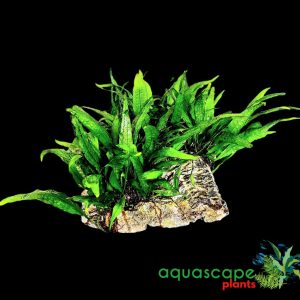
Java fern on lava rock Size XL
Java Fern on Lava Rock – Natural Elegance for Any Aquarium
Transform your aquascape with the timeless beauty of Java Fern (Microsorum pteropus) mounted on porous lava rock. This hardy, slow-growing plant adds lush greenery and texture to freshwater tanks while promoting biological filtration. Its vibrant green fronds contrast beautifully against the rugged, dark lava stone, creating a stunning focal point in nano tanks, aquascapes, or shrimp setups.
🔍 Key Features:
– ✅ Low-maintenance & beginner-friendly – thrives in a wide range of conditions
– ✅ Attached to natural lava rock – easy placement, no substrate needed
– ✅ Ideal for aquascaping – perfect for foreground or midground use
– ✅ Compatible with shrimp, snails, and peaceful fish
– ✅ Improves water quality – supports beneficial bacteria growth—
🧪 Care Tips for Java Fern on Lava Rock
Keep your Java Fern thriving with these simple care guidelines:
– 💡 Lighting: Low to moderate; avoid intense light to prevent leaf burn or algae growth
– 🌡️ Temperature: 20–28°C (68–82°F)
– 💧 Water Parameters: pH 6.0–7.5; soft to moderately hard water
– 🧼 Placement: Do not bury rhizome—lava rock keeps it elevated and healthy
– 🧪 Fertilization: Optional; liquid fertilizers or root tabs near the rock can boost growth
– 🐟 Tank Mates: Safe with most community fish, shrimp, and snails
– ✂️ Propagation: Gently separate plantlets from mature leaves and reattach to hardscape—
This versatile plant is a must-have for aquascaping enthusiasts seeking a natural, low-effort way to elevate their underwater world. Whether you’re designing a lush jungle tank or a minimalist layout, Java Fern on lava rock delivers beauty and balance.
SKU: n/a - Sold out!Live Plants & Neutrients, Plants, Potted
Java Fern Windelov Pre‑Attached on Driftwood
🌿 Java Fern Windelov Pre‑Attached on Driftwood
🌱 Product Description
This pre‑attached Java Fern Windelov features the elegant, lace‑tipped leaves that make this cultivar one of the most decorative epiphytes in the hobby. Each plant is securely mounted onto natural driftwood, allowing it to settle instantly into any aquascape without the need for tying or gluing.The frilled leaf tips create a soft, flowing texture, while the driftwood base adds a natural, mature look to the aquarium. Over time, the rhizome will firmly grip the wood, creating a seamless, organic growth pattern that mimics nature.
Perfect for beginners and experienced aquascapers, this ready‑to‑use piece brings instant greenery and structure to your tank.
—
💧 Care
– Light: Low to medium. Avoid intense direct light to reduce algae on the frilled leaf tips.
– Water Parameters:
– Temperature: 20–28°C
– pH: 6.0–7.8
– Soft to moderately hard water
– CO₂: Not required, but enhances growth and leaf density.
– Fertilization: Benefits from regular liquid fertilisers; heavy feeding not necessary.
– Placement: Ideal for mid‑ground or attached to hardscape. Ensure good water flow around the leaves.
– Maintenance: Remove older or blackened leaves. New plantlets may form on leaf tips—these can be left to grow or detached and reattached elsewhere.—
🐟 Compatibility
Safe for shrimp, community fish, bettas, and soft‑water species. Not suitable for tanks with goldfish or large cichlids that may damage the leaves.SKU: n/a - Sold out!Live Plants & Neutrients, Plants, Plants for terrarium, Potted
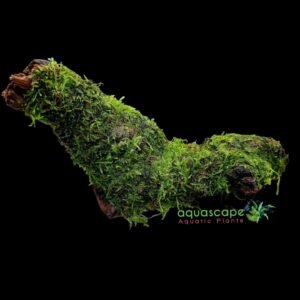
Java Moss on Driftwood vesicularia dubyana
Live Plants & Neutrients, Plants, Plants for terrarium, PottedJava Moss on Driftwood vesicularia dubyana
Size 20-25cm
Aquarium and terrarium friendly.
🌿 Java Moss on Driftwood – Natural Elegance for Your Aquarium
Transform your aquascape with the timeless beauty of Java Moss (vesicularia dubyana) artfully attached to natural driftwood. This living décor brings texture, movement, and a lush green accent to any freshwater aquarium, making it a favorite among aquascaping pros and beginners alike.
🪵 Product Highlights:
– Ready-to-Place: Pre-attached Java Moss on hand-selected driftwood for instant aquascaping.
– Low Maintenance: Thrives in a wide range of water conditions and lighting setups.
– Natural Shelter: Provides hiding spots for shrimp, fry, and small fish, enhancing their sense of security.
– Biofilm Booster: Encourages beneficial biofilm growth, ideal for shrimp tanks.
– Organic Appeal: Driftwood adds earthy tones and a naturalistic feel to your underwater landscape.
🌱 Care Instructions:
– Lighting: Low to moderate light; no CO₂ required.
– Water Parameters: pH 6.0–8.0 | Temperature 20–28°C (68–82°F)
– Growth Rate: Slow to moderate; trim as needed to maintain shape.
– Placement: Ideal for foreground or midground; can be repositioned easily.
🐠 Perfect For:
– Shrimp tanks and nano aquariums
– Nature-style and jungle aquascapes
– Breeding setups and fry protection zones
Add a touch of wild serenity to your tank with Java Moss on Driftwood—where form meets function in the most natural way.
SKU: n/a - Sold out!Live Plants & Neutrients, Plants, Potted
Lace Plant Aponogeton madagascariensis bulb
Lace Plant Aponogeton madagascariensis var. henkelianus
- One of the most beautiful Lace plant forms
- Broad leaves with delicate grid structure
- Eyecatcher in larger tanks
This fascinating variant of the Madagascar laceplant is also known as Aponogeton madagascariensis var. henkelianus. It lives up to its name “laceplant” or “laceleaf”: the broad leaves have a delicate grid structure, the leaf tissue is reduced to the thin nerves. The larger perforations are divided by smaller, irregularly arranged connecting nerves. As a solitary plant or small, loose group in the midground or background, Aponogeton madagascariensis “henkelianus” draws all eyes.
The forms of Aponogeton madagascariensis originate from cool, fast flowing, permanent rivers in Madagaskar. They prefer cooler water below 25 °C, good water movement, CO2 supply and nutrient-rich bottom. Medium lighting is sufficient.
SKU: n/a - Plants, Potted
Lagenandra meeboldii ‘Bleeding Heart’
Lagenandra ‘Bleeding Heart’ – A Rare Jewel for Aquascapes & Terrariums
Introduce a touch of exotic elegance to your setup with Lagenandra ‘Bleeding Heart’, a rare aquatic gem prized for its dramatic foliage and adaptable nature. Native to the swampy lowlands of Sri Lanka and India, this plant captivates with heart-shaped leaves that blend deep green, reddish-pink, and purple hues—creating the signature “bleeding heart” effect.
✨ Key Features:
- Striking Coloration: Broad leaves with rich green tops and vivid reddish-purple undersides.
- Compact Growth: Reaches 20–30 cm, ideal for midground placement in aquariums or as a focal point in terrariums.
- Versatile Use: Thrives submerged in aquariums or emersed in humid terrarium and paludarium environments.
🌱 Care & Conditions:
Parameter Ideal Range Light Moderate to high Temperature 22–28°C pH 6.0–7.5 Water Hardness Soft to moderately hard CO₂ Optional, enhances growth Substrate Nutrient-rich recommended 🛠️ Maintenance Tips:
- Trim older leaves to encourage fresh growth.
- Avoid burying the rhizome—plant it gently in the substrate or attach to hardscape.
- Supplement with liquid fertilizers for optimal color vibrancy.
Whether you’re crafting a lush aquascape or designing a tropical terrarium, Lagenandra ‘Bleeding Heart’ adds a bold splash of color and texture that elevates any layout. A must-have for collectors and aquascaping artists alike.
SKU: n/a