No products in the cart.

Indoor Plants, Live Plants & Neutrients, Plants for terrarium
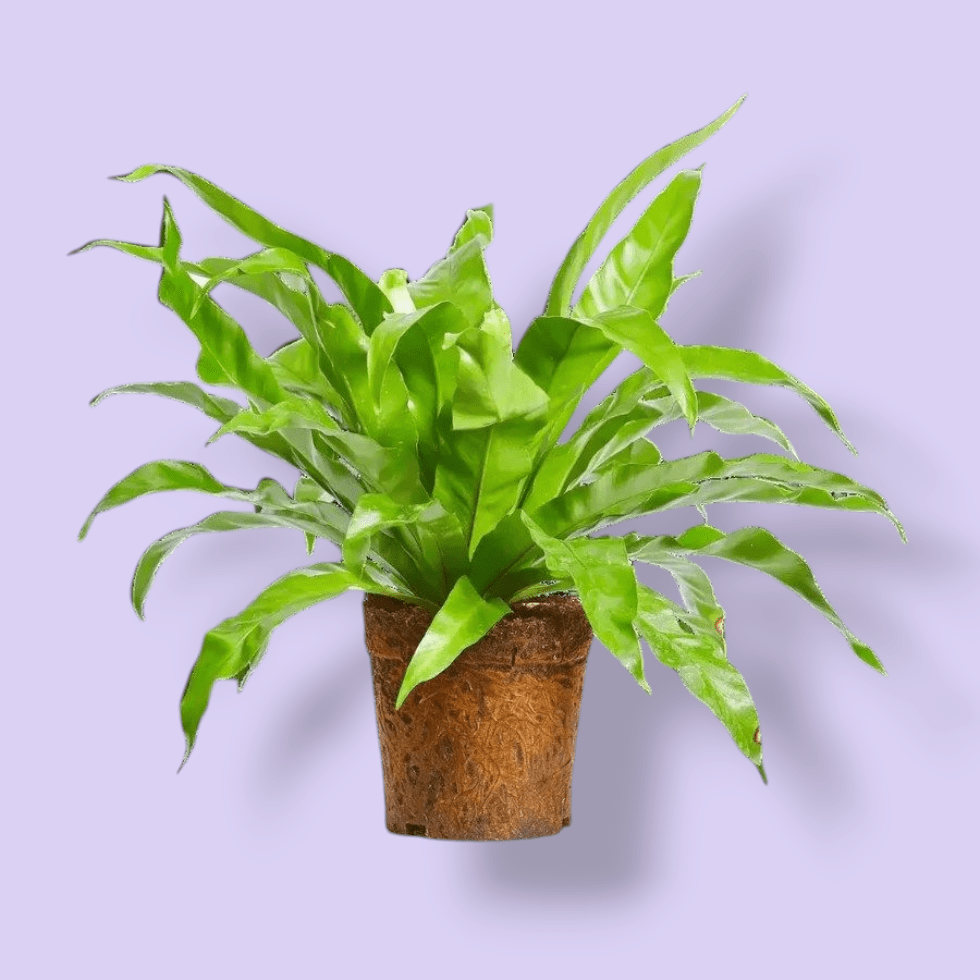
Asplenium Nidus Birds Nest plant M
Size: 35cm
Asplenium nidus, commonly known as Bird’s Nest Fern, is a stunning and unique houseplant. Here’s a detailed description:
Appearance
- Foliage: The Bird’s Nest Fern features large, glossy, bright green fronds that are broadly lance-shaped with wavy margins. The fronds grow in a rosette pattern, creating a nest-like center, which gives the plant its common name.
- Height: When grown indoors, the plant typically reaches a height of 1-2 feet (30-60 cm), but it can grow up to 4-5 feet (120-150 cm) in its natural habitat.
Growth Habit
- Epiphytic Nature: In its natural habitat, Asplenium nidus is an epiphytic fern, meaning it grows on other plants or trees. It can also grow on rocks.
- Rosette Formation: The fronds form a vase-shaped rosette, creating a distinctive shuttlecock-like effect.
Flowering
- Non-Flowering: Asplenium nidus does not produce flowers. Instead, it reproduces through spores found on the undersides of the fronds.
General Characteristics
- Evergreen: This fern is an evergreen plant, maintaining its lush green foliage year-round.
- Air Purifier: Like many houseplants, Bird’s Nest Fern helps improve indoor air quality by removing toxins from the air.
د.إ44.00
Here are some tips and care instructions for maintaining a healthy and vibrant Asplenium nidus (Bird’s Nest Fern):
Light
- Bright, Indirect Light: This plant thrives in bright, indirect light but can tolerate lower light levels. Avoid direct sunlight, which can scorch the fronds.
Watering
- Consistent Moisture: Keep the soil consistently moist but not waterlogged. Water the plant when the top inch of soil feels dry. High humidity is beneficial, so mist the leaves regularly or use a humidity tray.
- Avoid Watering the Center: Water the soil directly and avoid getting water in the central rosette, as this can lead to rot.
Humidity
- High Humidity: Asplenium nidus prefers a humid environment. Increase humidity by misting the leaves or placing the pot on a tray filled with pebbles and water.
Temperature
- Warm Temperatures: Maintain indoor temperatures between 60-70°F (15-21°C). Avoid exposure to cold drafts and sudden temperature fluctuations.
Soil
- Well-Draining Mix: Use a well-draining, porous potting mix. A mixture of peat moss, perlite, and regular potting soil works well.
Fertilizing
- Balanced Fertilizer: Feed with a balanced, water-soluble fertilizer every 4-6 weeks during the growing season (spring and summer). Reduce feeding in the fall and winter months.
Pruning
- Remove Damaged Fronds: Trim off any yellow or damaged fronds to keep the plant looking tidy and to encourage new growth.
Repotting
- Repot as Needed: Repot every 2-3 years or when the plant outgrows its pot. Use fresh potting mix to provide new nutrients.
Pests
- Pest Prevention: Watch for common pests like scale, aphids, and mealybugs. Wipe the leaves with a damp cloth and use insecticidal soap if necessary.
Additional Tips
- Avoid Drafts: Keep the plant away from cold drafts or heating vents.
- Clean Leaves: Regularly clean the leaves to remove dust and allow for optimal photosynthesis.
Following these care tips will help ensure your Asplenium nidus remains healthy and lush.
Related products
- Live Plants & Neutrients, Plants, Tissue Culture Cup
Aquascapeplants Eleocharis parvula
Eleocharis parvula
- 3x times more plant quantity than other leading brands..
- Forms low-growing fine-leaved lawns
- Reliable ground cover
- Light green coloration
Synonyms Scirpus pumilio Sprengel Misapplied names Eleocharis parvula, Eleocaris parvula Complete botanical name Eleócharis pusílla R. Br. Family Cyperaceae Genus Eleocharis Difficulty easy Colour light green Usage Nano tanks, Foreground, group, Foreground, ground cover Aquascaping forms a grass-like lawn Growth medium SKU: n/a - Live Plants & Neutrients, Plants, Potted
Bolbitis difformis in pot
Bolbitis difformis in pot
- This fern stays very small
- Pinnate leaves
- Well-suited for paludaria
Genus Bolbitis Difficulty medium Usage Epiphyte (growing on hardscape), Midground, Nano tanks, Foreground, group Growth very slow pH value 5 – 7 Temperature tolerance 18 – 28°C Carbonate hardness 0 – 14°dKH General hardness 0 – 30°dGH Propagation Proliferating leaves, Rhizomteilung, Splitting, cutting off daughter plants Can grow emersed? yes BUY MORE SAVE MORE!
Buy 5 or more for additional discount!
Buy 10 or more to get super discount!
 SKU: n/a
 - Live Plants & Neutrients, Plants, Potted
Hydrocotyle Tripartita in Pot
Size: Pot
Hydrocotyle tripartita
- Forms creeping or overhanging shoots
- Pretty leaf form
- Fresh light green colour
- Can be used in many different ways
- One of the most popular plants in aquascaping
Genus Hydrocotyle Difficulty easy Usage Midground, Nano tanks, Foreground, group, Foreground, ground cover Growth very fast pH value 5 – 7 Temperature tolerance 10 – 30°C Carbonate hardness 0 – 14°dKH General hardness 0 – 30°dGH Propagation Runners, Cuttings Can grow emersed? yes BUY MORE SAVE MORE!
Buy 5 or more for additional discount!
Buy 10 or more to get super discount!
SKU: n/a - Live Plants & Neutrients, Plants, Potted
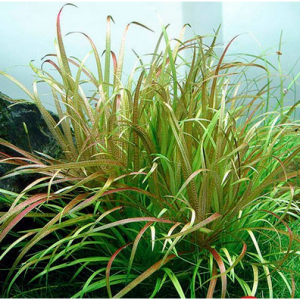
Aquatic Plant Blyxa japonica
Blyxa japonica
- Forms grasslike bushes of medium height
- Light green to reddish
- Very popular in aquascaping
Genus Blyxa Difficulty medium Usage Midground, Foreground, group Growth medium pH value 5 – 6 Temperature tolerance 16 – 32°C Carbonate hardness 0 – 7°dKH General hardness 0 – 30°dGH Propagation Seeds, Cuttings, Splitting, cutting off daughter plants Can grow emersed? no BUY MORE SAVE MORE!
Buy 5 or more for additional discount!
Buy 10 or more to get super discount!
SKU: n/a