No products in the cart.

LIVE FISH, NATURE AQUARIUM FISH, SCHOOLING FISH
Rainbow Shiner Fish
Availability:
Out of stock
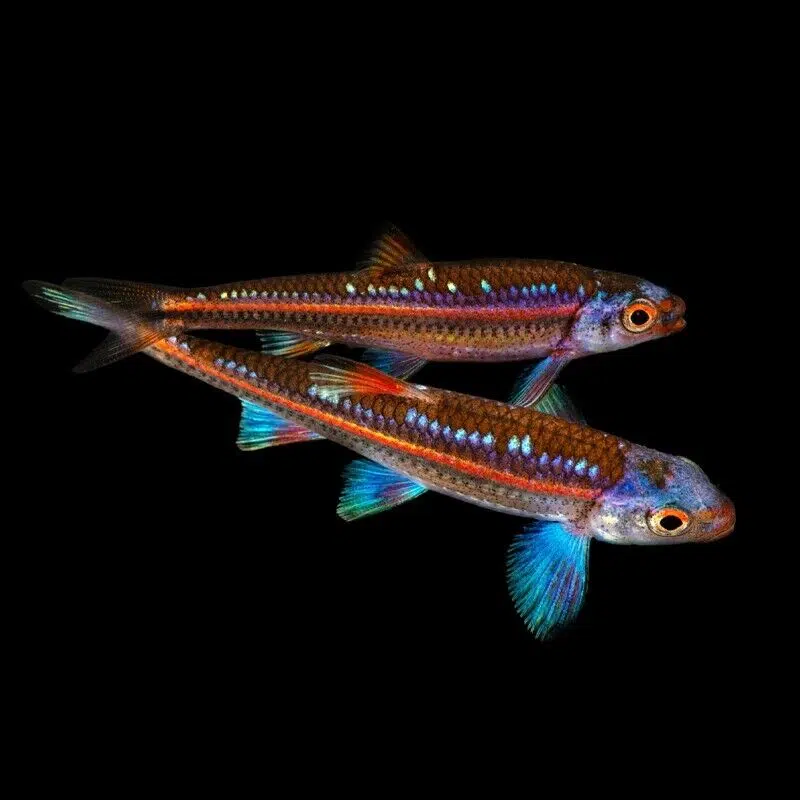
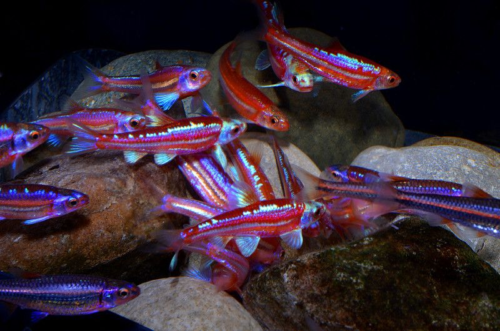
The Rainbow Shiner (Notropis chrosomus) is one of the most breathtaking freshwater fish available, famous for its electric pink, violet, and blue spawning colours that rival even the most exotic tropical species. Native to the cool, clear streams of Alabama, Georgia, and Tennessee, this hardy North American species has become a favourite among aquascapers and hobbyists looking for a vibrant, active schooling fish.
Perfect for river‑style aquariums, Rainbow Shiners thrive in groups of 10 or more, where their natural shoaling behaviour and shimmering colours truly come alive. With a maximum size of around 3 inches, peaceful temperament, and wide water‑parameter tolerance, they make an excellent addition to community setups with similar cool‑water species.
Whether you’re building a biotope stream tank or adding movement and colour to a planted aquarium, Rainbow Shiners deliver unmatched visual impact — especially during breeding season, when males explode into neon hues.
Rainbow Shiner Care Guide
🌡️ Water Parameters
- Temperature: 50–72°F (10–22°C) — cooler water preferred
- pH: 6.5–8.0
- Hardness: Moderate
- Flow: Moderate to strong (they naturally live in lotic, fast‑moving streams)
🏞️ Tank Requirements
- Minimum tank size: 20–30 gallons for a shoal
- Group size: Keep 10+ individuals for natural behaviour and reduced stress
- Aquascape style:
- River‑manifold setups
- Rounded stones, gravel, driftwood
- Hardy plants that tolerate flow (e.g., Vallisneria, Anubias)
- Lighting: Medium–high to enhance iridescence
- Lid: Essential — they are fast, active swimmers
🍽️ Diet & Feeding
Rainbow Shiners are carnivorous and thrive on a varied, protein‑rich diet:
- High‑quality micro‑pellets
- Frozen foods (daphnia, bloodworms, brine shrimp)
- Live foods for conditioning (especially for breeding)
🤝 Tank Mates
Choose peaceful, cool‑water companions:
- White Cloud Mountain Minnows
- Hillstream Loaches
- Rosy Red Minnows
- Small danios
Avoid aggressive or warm‑water species.
💡 Behaviour
- Extremely active, fast‑moving shoalers
- Display best colours during spawning season
- Males become intensely vibrant when ready to breed
🐣 Breeding
- Triggered by seasonal temperature changes
- Males develop neon pink and purple colours
- Scatter spawners — provide gravel beds or spawning mops
- Best done in a species‑only setup for fry survival
❤️ Why Aquarists Love Them
- One of the most colourful temperate fish in the hobby
- Hardy and adaptable
- Stunning in large shoals
- Perfect for river‑themed aquascapes
- Captivating breeding displays
د.إ39.00
Sold out!
🌈 Rainbow Shiner Care: The Complete Guide to One of the Most Colourful Freshwater Fish
Few freshwater fish can match the breathtaking beauty of the Rainbow Shiner (Notropis chrosomus). During breeding season, males erupt into neon flashes of pink, violet, and electric blue, creating a display that rivals even the most exotic tropical species. Despite their stunning appearance, Rainbow Shiners remain surprisingly hardy, peaceful, and beginner‑friendly — making them a rising favourite among aquascapers, biotope enthusiasts, and cool‑water fishkeepers.
In this comprehensive guide, we’ll explore everything you need to know about Rainbow Shiner care, from tank setup and diet to breeding and behaviour. Whether you’re building a river‑style aquascape or looking for a vibrant schooling fish, this article will help you create the perfect environment for these shimmering gems.
🐟 What Are Rainbow Shiners?
The Rainbow Shiner is a small, peaceful cyprinid native to the cool, clear streams of Alabama, Georgia, and Tennessee. In the wild, they inhabit fast‑flowing waters with rocky substrates and high oxygen levels. Their natural environment shapes their behaviour: they are active, energetic shoalers that thrive in groups and love swimming against the current.
Key Characteristics
- Scientific name: Notropis chrosomus
- Adult size: ~3 inches
- Temperament: Peaceful, active
- Lifespan: 3–5 years
- Best kept in: Groups of 10+
Their most iconic feature is their spawning coloration, where males transform into glowing, iridescent hues that shift with the light — a true spectacle in any aquarium.
🏞️ Ideal Tank Setup for Rainbow Shiners
🌊 Tank Size & Layout
Rainbow Shiners are fast swimmers that appreciate open space and strong flow. A 20–30 gallon tank is suitable for a small shoal, but larger tanks allow more natural behaviour and better colour development.
🪨 Aquascaping Style
A river‑themed setup works beautifully:
- Rounded stones and gravel
- Driftwood branches
- Hardy plants like Vallisneria, Anubias, or Bolbitis
- Open swimming areas
- Dark substrates to enhance colour contrast
Because they come from fast‑moving streams, they thrive in tanks with moderate to strong flow. A powerhead or river‑manifold system helps replicate their natural habitat.
🌡️ Water Parameters
Rainbow Shiners are more tolerant than their delicate appearance suggests. They prefer cooler water and high oxygen levels.
| Parameter | Range |
|---|---|
| pH | 6.5 to 8 |
| Hardeness | Moderate |
| Temperature | 10 to 22 degree |
| Flow | Moderate to strong |
Cooler temperatures not only keep them healthy but also encourage stronger coloration and natural behaviour.
🍽️ Diet & Feeding
Rainbow Shiners are carnivorous micro‑predators. In the wild, they feed on small insects, larvae, and zooplankton. In captivity, they thrive on a varied, protein‑rich diet:
- High‑quality micro‑pellets
- Frozen foods (daphnia, bloodworms, brine shrimp)
- Live foods for conditioning
- Occasional flakes or crushed pellets
A diverse diet enhances their colours and supports breeding.
🤝 Compatible Tank Mates
Because Rainbow Shiners prefer cooler water, choose species with similar requirements:
- White Cloud Mountain Minnows
- Hillstream Loaches
- Rosy Red Minnows
- Danios
- Small, peaceful barbs
Avoid warm‑water tropical fish or aggressive species that may outcompete them.
💡 Behaviour & Social Dynamics
Rainbow Shiners are highly social and display best in large shoals. Keeping 10 or more individuals reduces stress and encourages natural schooling patterns. During breeding season, males become territorial but not aggressive, often displaying vibrant colours to impress females.
Their constant movement adds life and energy to any aquascape, making them ideal for display tanks.
🐣 Breeding Rainbow Shiners
Breeding Rainbow Shiners is both rewarding and visually spectacular. Males develop intense neon colours, and their courtship displays are mesmerizing.
How to Trigger Spawning
- Gradually lower temperatures to mimic winter
- Slowly raise temperatures to 68–72°F to simulate spring
- Provide gravel beds or spawning mops
- Offer high‑protein foods
They are scatter spawners, meaning eggs are released over gravel or plants. For fry survival, a separate breeding tank is recommended.
❤️ Why Rainbow Shiners Are Perfect for Aquascapers
Their shimmering colours pop against natural hardscape, and their active swimming adds dynamic energy to planted tanks.
They’re also a fantastic choice for:
- Nature aquariums
- Biotope displays
- High‑flow setups
- Cool‑water community tanks
Their seasonal colour changes make them a living centrepiece that evolves throughout the year.
Brand
aquascape.ae
Related products
- LIVE FISH, SCHOOLING FISH
CARDINAL TETRA
Cardinal Tetras are small, colorful and peaceful fish that are popular among aquarium enthusiasts.
Here are some tips on how to take care of them:
Tank Size: Cardinal Tetras require a minimum of 10 gallons tank size, with a pH range of 5.0 to 7.0.
Water Parameters: They prefer soft and slightly acidic water with a temperature range of 72-82°F.
Tank Mates: Cardinal Tetras are peaceful fish and should be kept with other peaceful fish such as other tetras, rasboras, and small catfish.
Diet: They are omnivorous and require a balanced diet of high-quality flakes, pellets, and frozen foods such as bloodworms and brine shrimp.
Decorations: Provide them with plenty of hiding spots such as plants, driftwood, and rocks. They also prefer a dark substrate.Maintenance: Regular water changes of 25% every two weeks are recommended to maintain good water quality.
Breeding: Cardinal Tetras are difficult to breed in captivity. It is best to purchase them from a reputable breeder or retailer.
By following these tips, you can provide a healthy and comfortable home for your Cardinal Tetras.
NOTE: OUR LIVE FISHES ARE ONLY DELIVERED TO DUBAI AND SHARJAH.
CUSTOMERS FROM ABUDHABI AND OTHER EMIRATE MAY CONTACT US TO INQUIRE ABOUT THE DELIVERY.SKU: n/a - ALGAE EATING FISH, LIVE FISH, NATURE AQUARIUM FISH
ALBINO CORYDORAS
Albino Corydorus
We make sure all our fishes are kept with highest living standards with proper aquarium water care. Our fishes are quarantined before they are introduced to the store display aquariums. We make sure we sell healthy live fish and not parasites.
NOTE: OUR LIVE FISHES ARE ONLY DELIVERED TO DUBAI AND SHARJAH.
CUSTOMERS FROM ABUDHABI AND OTHER EMIRATE MAY CONTACT US TO INQUIRE ABOUT THE DELIVERY.
SKU: n/a - BETTA, LIVE FISH
Super Blue Half Moon Betta
We make sure all our fishes are kept with highest living standards with proper aquarium water care. Our fishes are quarantined before they are introduced to the store display aquariums. We make sure we sell healthy live fish and not parasites.
NOTE: OUR LIVE FISHES ARE ONLY DELIVERED TO DUBAI AND SHARJAH.
CUSTOMERS FROM ABUDHABI AND OTHER EMIRATE MAY CONTACT US.
Deliveries can take 4 to 7 days depending upon the availability of stocks.
SKU: n/a - LIVE FISH, Shrimps
Amano Shrimp
Amano Shrimp
We make sure all our fishes are kept with highest living standards with proper aquarium water care. Our fishes are quarantined before they are introduced to the store display aquariums. We make sure we sell healthy live fish and not parasites.
NOTE: OUR LIVE FISHES ARE ONLY DELIVERED TO DUBAI AND SHARJAH.
CUSTOMERS FROM ABUDHABI AND OTHER EMIRATE MAY CONTACT US TO INQUIRE ABOUT THE DELIVERY.
SKU: n/a