
Pineapple Swordtail Platy Fish
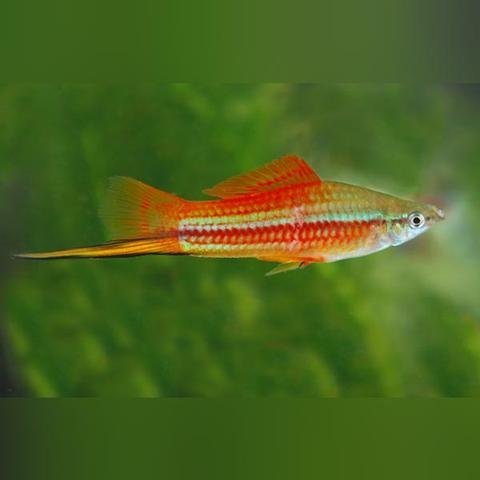
Bring a burst of warm tropical radiance into your aquarium with the gorgeous Pineapple Swordtail (Xiphophorus helleri). Flaunting a stunning neon-yellow to golden body highlighted by horizontal red striping and fiery orange fins, this color morph is highly prized in the hobby. Mature males develop the signature, elegant “sword” extension on their lower tail fin, making them an instant focal point in any freshwater setup.
Renowned for their energetic personalities and resilient nature, Pineapple Swordtails are perfect for beginners and seasoned aquascapers alike. They are active swimmers that bring life, color, and dynamic movement to the middle and upper levels of your tank.
د.إ5.99
Why You’ll Love the Pineapple Swordtail
Vibrant Tropical Palette: Their warm, citrusy coloration pops beautifully against dense green planted backgrounds and dark aquascaping rocks.
Fascinating Sexual Dimorphism: It is incredibly easy to distinguish males from females, thanks to the male’s distinct, elongated caudal (tail) sword.
Robust & Highly Adaptable: Capable of handling a wide range of water conditions, making them very forgiving for newer hobbyists.
Enthusiastic Foragers: They love to graze on surfaces, constantly picking at micro-algae on your hardscape and plant leaves.
Pineapple Swordtail Care & Tank Setup Guide
1. Aquarium Setup & Water Conditions
Unlike smaller platies, Pineapple Swordtails can grow up to 5 inches and are powerful, fast-paced swimmers. They require a minimum of a 20-gallon long tank, though a 30-gallon or larger is ideal for a small group. They thrive in mineral-rich, hard water with a stable, alkaline pH.
Because they are incredibly athletic and prone to darting upwards, a secure, tight-fitting aquarium lid is a strict requirement to prevent jumping.
2. Perfect Tank Mates
Pineapple Swordtails do exceptionally well in community tanks with other active, peaceful species. Ideal tank mates include:
Mollies, Platies, and larger Guppies
Angelfish and peaceful Gouramis
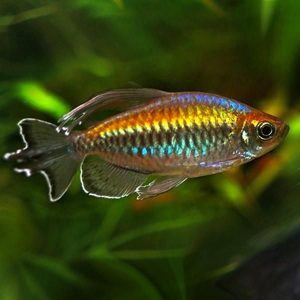
Larger Tetras (like Congo or Bleeding Heart Tetras) and Danios
Corydoras Catfish, Bristlenose Plecos, and Loaches
Male Behavior Tip: Adult male swordtails can establish a strict pecking order and may chase one another. To minimize aggression, either keep a single male in the tank or house them in a larger, heavily planted aquarium with at least 2 to 3 females per male to distribute their attention.
3. Diet & Nutrition
Swordtails are natural omnivores with a healthy appetite. To maintain their rich yellow and red pigmentation, offer a diverse menu:
High-quality flake foods and sinking pellets packed with carotenoids (color enhancers).
Live or frozen treats such as bloodworms, daphnia, and brine shrimp.
Vegetable-based options like spirulina flakes, blanched zucchini, or algae wafers.
Frequently Asked Questions (FAQ)
Why does my female swordtail look like it’s growing a sword?
Swordtails are famous for a biological phenomenon where older females can appear to undergo a sex reversal, developing a sword-like tail and a gonopodium (male reproductive organ). This typically happens in tanks lacking a dominant male or due to hormonal shifts as the fish ages.
How do I save the baby fry?
As livebearers, Pineapple Swordtails reproduce readily. If you want to raise the fry, ensure your tank features dense clusters of live plants like Java Fern, Water Wisteria, or floating plants. These provide vital hiding spaces, as adult fish will hunt the newborn fry if they aren’t separated or given ample cover.
Related products
-
LIVE FISH, Shrimps
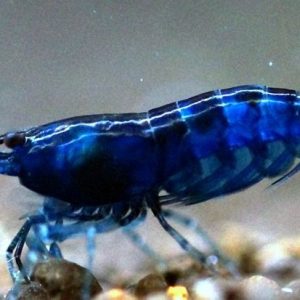
Blue Velvet Shrimp
We make sure all our live stock are kept with highest living standards with proper aquarium water care. Our fishes are quarantined before they are introduced to the store display aquariums. We make sure we sell healthy live fish and not parasites.
NOTE: OUR LIVE FISHES ARE ONLY DELIVERED TO DUBAI AND SHARJAH.
CUSTOMERS FROM ABUDHABI AND OTHER EMIRATE MAY CONTACT US TO INQUIRE ABOUT THE DELIVERY.
BUY MORE SAVE MORE!
Buy 6 or more for additional discount!
Buy 12 or more to get super discount!
SKU: n/a -
LIVE FISH, SCHOOLING FISH
CARDINAL TETRA
Cardinal Tetras are small, colorful and peaceful fish that are popular among aquarium enthusiasts.
Here are some tips on how to take care of them:
Tank Size: Cardinal Tetras require a minimum of 10 gallons tank size, with a pH range of 5.0 to 7.0.
Water Parameters: They prefer soft and slightly acidic water with a temperature range of 72-82°F.
Tank Mates: Cardinal Tetras are peaceful fish and should be kept with other peaceful fish such as other tetras, rasboras, and small catfish.
Diet: They are omnivorous and require a balanced diet of high-quality flakes, pellets, and frozen foods such as bloodworms and brine shrimp.
Decorations: Provide them with plenty of hiding spots such as plants, driftwood, and rocks. They also prefer a dark substrate.Maintenance: Regular water changes of 25% every two weeks are recommended to maintain good water quality.
Breeding: Cardinal Tetras are difficult to breed in captivity. It is best to purchase them from a reputable breeder or retailer.
By following these tips, you can provide a healthy and comfortable home for your Cardinal Tetras.
NOTE: OUR LIVE FISHES ARE ONLY DELIVERED TO DUBAI AND SHARJAH.
CUSTOMERS FROM ABUDHABI AND OTHER EMIRATE MAY CONTACT US TO INQUIRE ABOUT THE DELIVERY.SKU: n/a